
Summary
Cloud-based accounting software is transforming how businesses manage their finances. It offers a modern approach to traditional accounting methods.
Cloud-based accounting offers anywhere access, real-time insights, strong security
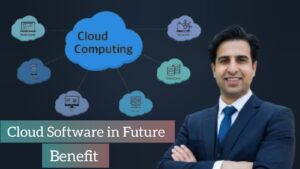
with backups, and cost-effective scalability that boosts productivity and collaboration. This guide explains what cloud accounting is, how it works, and its key benefits such as automation, integrations, compliance support, and mobile access. It also outlines essential features to look for, common use cases, selection criteria, and practical implementation tips—concluding that the future of accounting is firmly in the cloud.
With this technology, financial data is accessible from anywhere with an internet connection. This flexibility is crucial for today’s fast-paced business environment.
Online accounting provides real-time insights into financial performance. This allows for better decision-making and strategic planning.
The software reduces the need for physical paperwork and storage. This not only saves space but also promotes environmental sustainability.
Security is a top priority with cloud-based solutions. They offer encryption and regular backups to protect sensitive data.
Scalability is another advantage, accommodating business growth without major infrastructure changes. This makes it ideal for small to medium-sized enterprises.
Collaboration is seamless, enabling team members to work together from different locations. This enhances productivity and efficiency.
Cloud-based accounting software is a cost-effective solution. It reduces upfront costs and offers subscription-based pricing models.
What Is Cloud-Based Accounting Software?
Cloud-based accounting software is an innovative tool for managing financial data. It operates on remote servers rather than local computers.
This modern solution is delivered over the internet, offering accessibility from any device. All you need
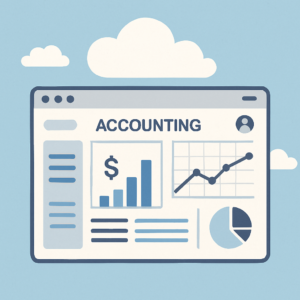
is an internet connection to get started.
Unlike traditional systems, cloud accounting software eliminates the need for physical installation. This approach streamlines updates and maintenance.
Key features often include:
- Real-time data access
- Automation of routine tasks
- Integration with other applications
Cloud-based systems offer a user-friendly experience. They have intuitive dashboards that provide insights into financial metrics.
Security is enhanced through cloud technology. Data encryption and frequent backups ensure protection against breaches.
Overall, cloud-based accounting software revolutionizes business finance management. Its benefits extend to ease-of-use and enhanced security.
How Cloud-Based Accounting Software Works?
Cloud-based accounting software operates seamlessly over the internet. It processes financial data using remote cloud servers.
You can access your data via a web browser or mobile app. This provides flexibility for users working from different locations.
The primary workings involve several key steps:

- Data entry through an intuitive interface
- Secure storage on remote servers
- Automatic updates reflecting real-time transactions
This process ensures your financial information is always current. It eliminates delays common with traditional systems.
Automatic backups protect your data from loss. These backups are more reliable than manual efforts.
Moreover, encryption secures sensitive information from unauthorized access. This peace of mind is crucial in today’s digital age.
In essence, the software simplifies accounting by leveraging cloud technology. It provides efficient and secure data management.
Key Benefits of Cloud-Based Accounting Software
Cloud-based accounting software offers significant advantages for businesses. It boosts productivity and reduces costs effectively.
One major benefit is the capability for real-time reporting. Timely data allows for informed decision-making.
Moreover, it enhances data security. Encryption and regular backups ensure the safety of sensitive information.
Here are some benefits to consider:
- Real-time financial reporting
- Enhanced data security
- Reduction in physical storage needs
- Improved collaboration
- Cost-effective scaling
Furthermore, integration with other tools is seamless. This unifies your business operations under one digital roof.
The software also supports remote work environments. Thus, businesses can stay flexible and resilient.
In summary, cloud-based accounting systems offer comprehensive solutions. Their benefits extend beyond traditional software capabilities.
Real-Time Access and Collaboration
Cloud-based accounting ensures timely access to financial data. Users can retrieve and analyze information from anywhere, anytime.
Collaboration is significantly enhanced. Team members can work together seamlessly, regardless of their physical location.
Key collaboration features include:
- Multi-user access
- Real-time data updates
- Shared editing capabilities

These features improve teamwork and eliminate confusion. Everyone views up-to-date information at all times.
Furthermore, this fosters transparency in financial activities. Better communication leads to improved business outcomes.
Cloud technology ensures that everyone is on the same page. This levels up both efficiency and collaboration in the workplace.
Enhanced Data Security and Backup
Data security is a top concern for businesses. Cloud-based accounting software excels in this area.
It utilizes high-level encryption to protect sensitive information. Unauthorized access is

effectively minimized through these measures.
Regular backups are another key feature. They safeguard against data loss during unexpected incidents.
Security features include:
- Advanced encryption protocols
- Frequent data backups
- Secure authentication processes
In case of hardware failure or cyber-attacks, your data remains safe. You can quickly restore it without major downtime.
Moreover, these security features comply with industry standards. This is crucial for meeting regulatory requirements.
Ultimately, enhanced security ensures peace of mind. Your business’s financial information is well-guarded in the cloud.
Cost Savings and Scalability
Switching to cloud-based accounting software can result in considerable cost savings. The subscription-based model reduces the need for hefty initial investments.
There’s also reduced reliance on physical infrastructure. This effectively cuts IT maintenance costs.
Scalability is another major benefit. As your business grows, the software adapts without disruption.
Financial benefits include:
- Lower upfront costs
- Reduced IT expenses
- Scalable growth options
Your software infrastructure grows with your business. You won’t need constant system overhauls to keep up.
Furthermore, cloud solutions adjust during business fluctuations. Whether expanding or downsizing, you’re covered.
These aspects make cloud-based solutions highly cost-effective. They are tailored to meet your business’s evolving needs.
Automation and Efficiency
Automation in cloud-based accounting software enhances efficiency. Manual data entry is dramatically reduced.
Routine tasks like invoicing are automated. This saves time and minimizes human errors.
Key automation features include:
- Automated invoicing
- Recurring billing setups
- Automatic bank reconciliations
Efficient management of these tasks frees up resources. Your team can focus on more strategic activities.
Moreover, automation enhances accuracy in financial reporting. With reduced errors, financial statements are more reliable.
In effect, businesses operate more smoothly. This adds to overall productivity and business success.
Integration With Other Business Tools
Seamless integration is a hallmark of cloud-based systems. They connect effortlessly with other business tools.
This integration streamlines operations. It removes the need for juggling multiple applications.
Integration capabilities include:
- Connection with CRM systems
- Payroll system integration
- Supplier management interfaces

Users experience seamless data flow across different departments. This coherent information system strengthens internal processes.
Moreover, it fosters better relationships with clients and vendors. Communication lines are clearer and easier to manage.
Ultimately, this interconnectedness enhances business efficiency. It creates a more unified business environment.
Improved Compliance and Audit Readiness
Compliance with financial regulations is critical. Cloud-based accounting software aids in meeting these requirements.
It stays updated with the latest tax laws and standards. This ensures your records and processes are always compliant.
Compliance features include:
- Regular software updates for tax laws
- Easy access to audit trails
- Enhanced record organization
Up-to-date compliance prevents legal issues. It also facilitates smoother audits with organized records.
Efficient audit readiness reduces stress. It prepares your business for thorough financial inspections confidently.
Ultimately, compliance becomes second nature. The software simplifies the complexities of adhering to regulations.
Mobile Access and Flexibility
The modern workforce demands flexibility. Cloud-based accounting delivers with mobile access capabilities.
Users can manage their finances on the go. Mobile access ensures you’re not tied to a desk.
Mobile features include:
- Access through mobile apps
- Real-time financial data updates
- Secure mobile transactions
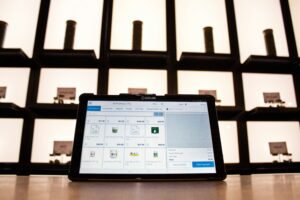
This flexibility enhances work-life balance. It enables timely decision-making wherever you are.
Furthermore, mobile features maintain security standards. So, your data remains safe even on handheld devices.
Key Features to Look For in Cloud-Based Accounting Software
Selecting the right cloud-based accounting software involves understanding crucial features. These elements ensure the software effectively meets your business needs.
First, robust reporting capabilities are vital. Look for software offering customizable dashboards and detailed financial reports.
Integration is another critical feature. Software that connects seamlessly with your existing business tools enhances efficiency.
Here are some key features to prioritize:
- Customizable reporting tools
- Seamless integration with other systems
- Multi-currency transaction support
- User-friendly interface

User experience is equally important. An intuitive interface eases the transition and boosts team productivity.
Additionally, ensure the software supports multi-currency operations. This is essential for businesses conducting international transactions.
Ultimately, picking the right features enhances business operations. Your accounting processes will be smooth and more effective.
Common Use Cases for Online Accounting
Online accounting is versatile, catering to various business scenarios. This flexibility helps diverse industries streamline financial management processes.
For small businesses, online accounting simplifies daily bookkeeping. It allows owners to focus on growth rather than administrative tasks.
Common use cases include:
- Managing payroll efficiently
- Tracking expenses in real-time
- Automating invoicing to improve cash flow

Large enterprises benefit from the software’s advanced features. These tools support complex financial analysis and strategic planning.
Online accounting adapts to businesses of all sizes, enhancing operational efficiency. It enables better financial oversight and informed decisions.
Getting Started: Implementation Tips
Transitioning to a cloud-based accounting system can seem daunting at first. To simplify the process, start by evaluating your current system and identifying gaps. This evaluation helps ensure a smooth shift to the cloud.
To facilitate the transition, consider the following steps:
- Train your team on the new system
- Gradually migrate data to avoid disruptions
- Leverage vendor support for assistance
Taking the time to understand the new system thoroughly is crucial. Support from the vendor can greatly aid in resolving issues and optimizing usage. With a clear plan and robust support, you can transition smoothly.
Frequently Asked Questions
1> What is cloud-based accounting software. Cloud-based accounting software operates online, allowing you to access financial data anywhere with internet access. This type of software facilitates real-time financial management.
2> Is my financial data safe in the cloud? Yes, reputable cloud-based accounting solutions employ advanced encryption and regular backups. These measures ensure that your data remains secure against unauthorized access.
3> Can small businesses benefit from cloud accounting? Absolutely. Cloud accounting is scalable and cost-effective, which makes it ideal for small businesses. It provides powerful tools without heavy infrastructure investment.
4> How do I choose the right software for my business? Consider your specific needs, budget, and desired features. Evaluating software demos and reading user reviews can help you make an informed decision.
Conclusion: The Future of Accounting Is in the Cloud
Cloud-based accounting software is transforming how businesses manage finances. It offers accessibility, security, and efficiency that traditional systems struggle to match.
As technology evolves, more businesses will adopt cloud solutions for their accounting needs. This shift promises greater flexibility and innovation in financial management practices. Embracing the cloud is not just a trend; it’s a strategic move for future success. The future of accounting, undoubtedly, is in the cloud.
Cloud Accounting Basics: What It Is & Why Businesses Use It — NetSuite Resource Center
If you like the Global3News blog, Please Subscribe my Website and watch more interested Blog